

Most people consider banks as one of the most secure data platforms around, and I expect they use many of the best security principles. However, things like credit fraud, phishing etc., do happen and will continue to happen. While there is two-way access, someone will try very hard to find a way to creatively inflict damage. There have been times that the bank has detected ‘out of character’ activity on my account, and they blocked the transaction. They have become very good at this. They acknowledge that their security systems will fail at times, but they can still catch it and take prompt action. I am sure that refunds of fraudulent transactions happen daily.
You can’t apply this reactive mindset to the industrial scene: refunds are not 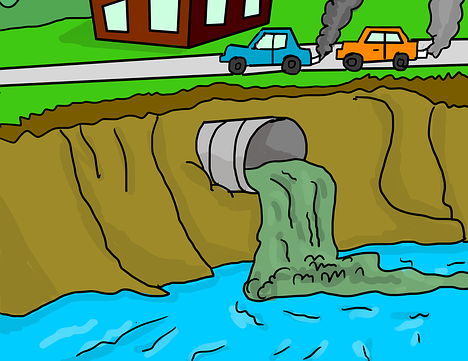 an option! If you empty a tank, then the substance is either gone or requires a massive clean-up operation. Safety should not be compromised. The unrecoverable cost of someone or something hacking an industrial system, even for a split second, is simply not worth it. It calls for different proactive methods.
There is no doubt that the insights obtained from industrial big data offer a massive return on investment. Comparison of machine data can give excellent pre-emptive diagnostic predictions of future failure or deteriorated operation. However, automation layers have not been designed for the internet; they do not use Microsoft and other IT best practice security principles that we expect on our corporate systems, like encryption, certificates, user profiles, etc. . The only way to securely protect your assets is to ensure data flow is one-way. Basic protection, such as a unidirectional gateway, can save a lot of cost down the track. Any commands to production equipment need to be verified and limited.
If you are interested in getting insights from your industrial big data or more information on protecting your assets, start a discussion with us today.